 Sale −15%
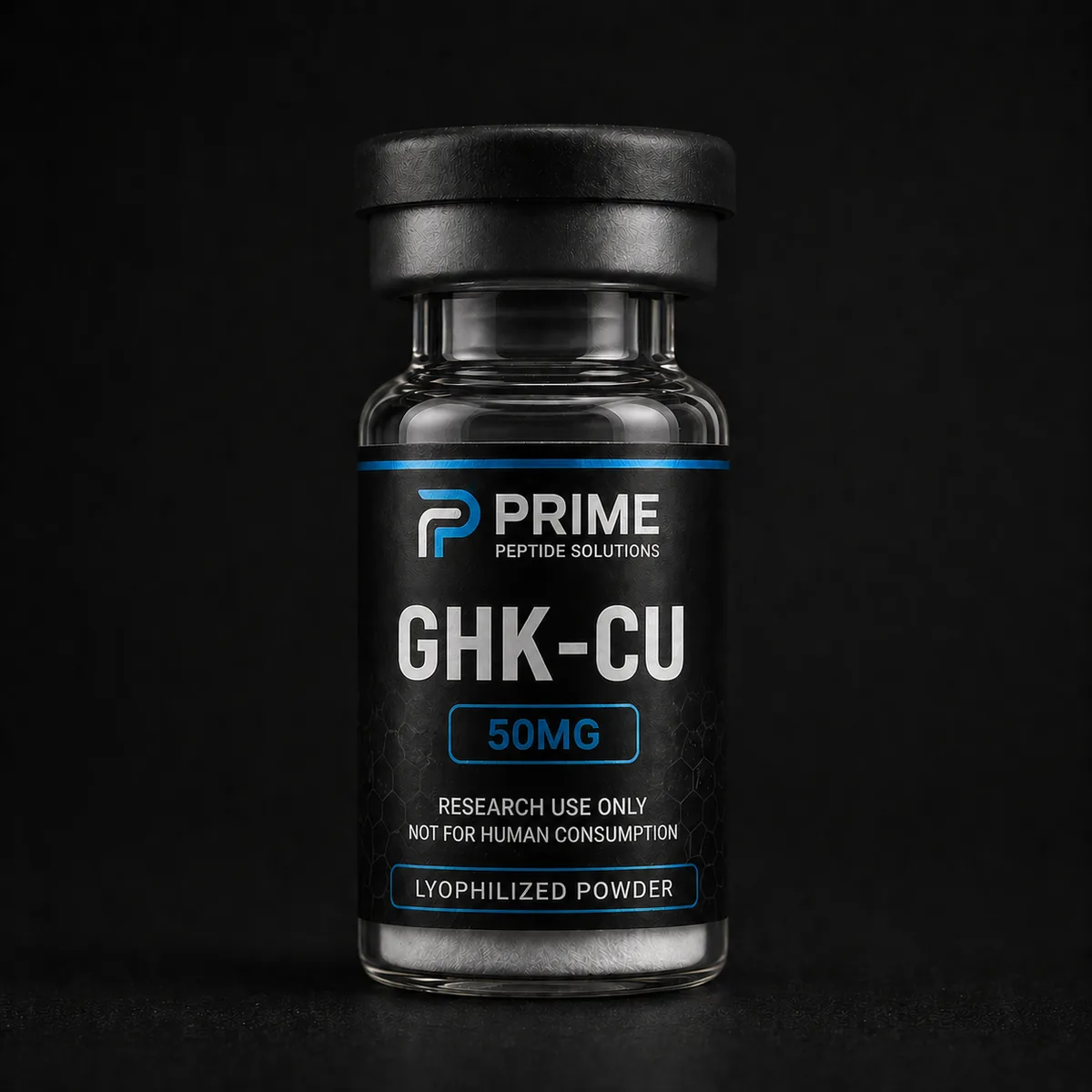
GHKCU-50
In stock
GHK-Cu
- Strength
- Purity
- >99% · COA
- Price
-
from
$44.99$38.24
BPC-157, TB-500, GHK-Cu and KPV: the compounds most studied in tissue-injury, wound and inflammation models. Research use only.
Sale −15%
 Sale −15%
 Sale −15%
 Sale −15%
 Sale −15%
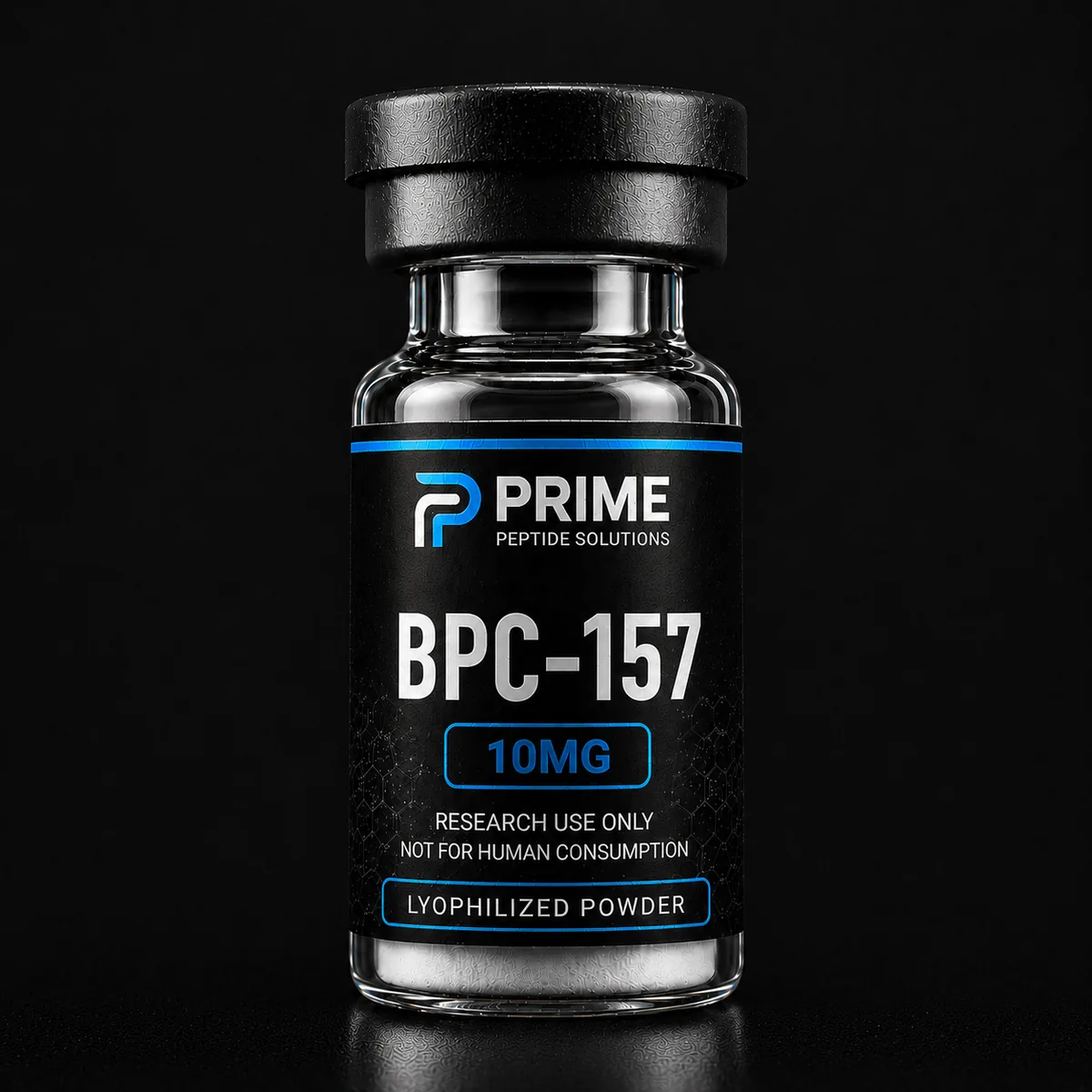
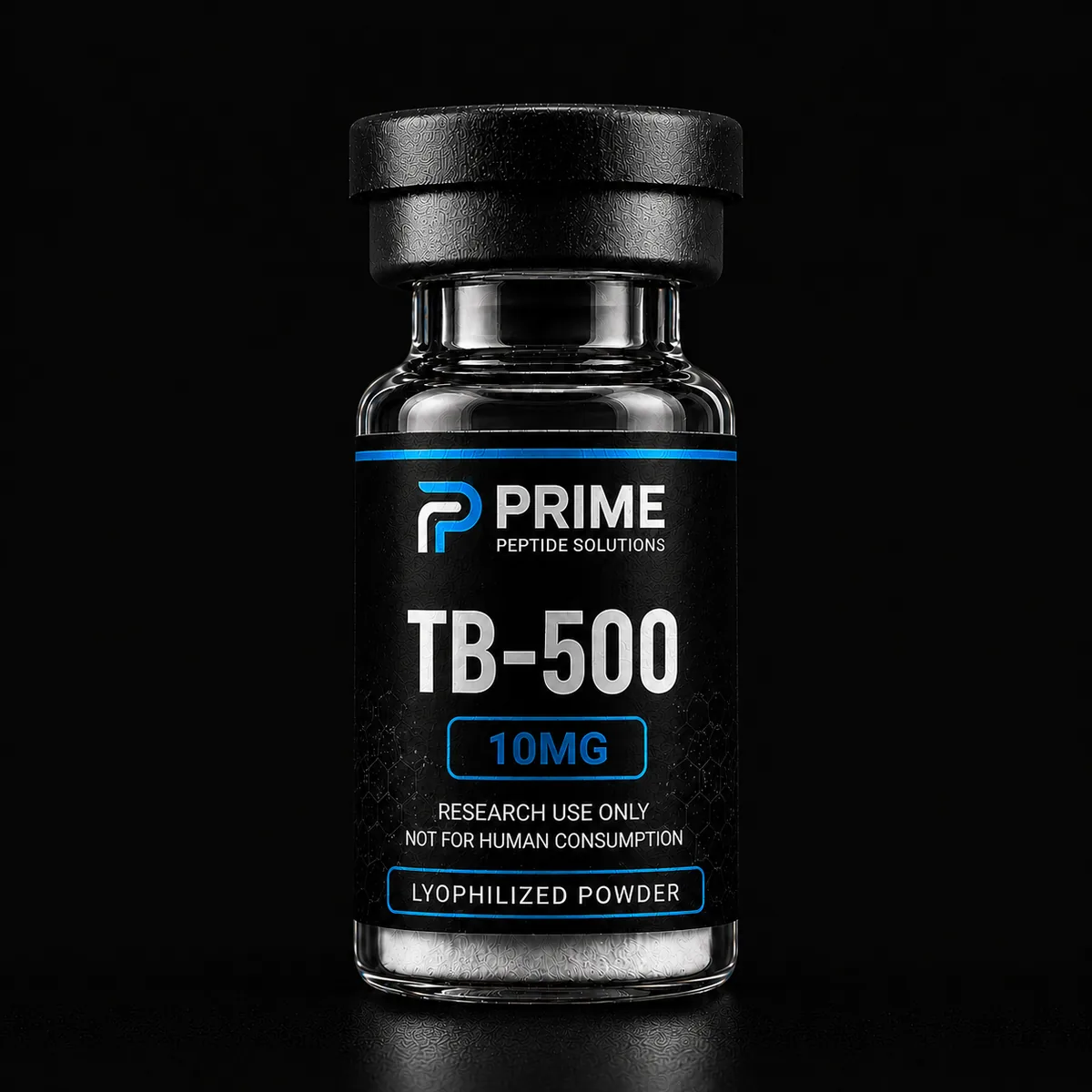
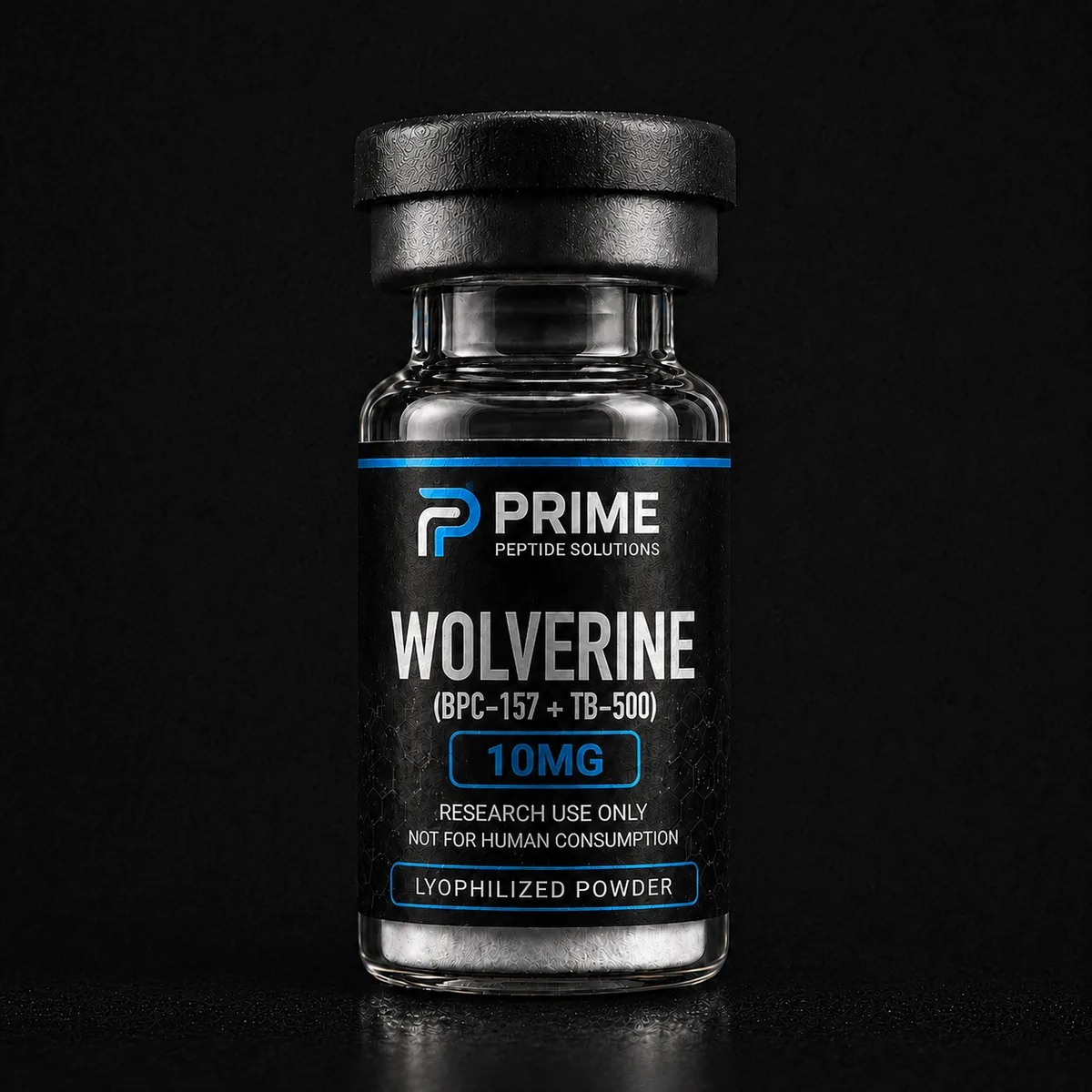
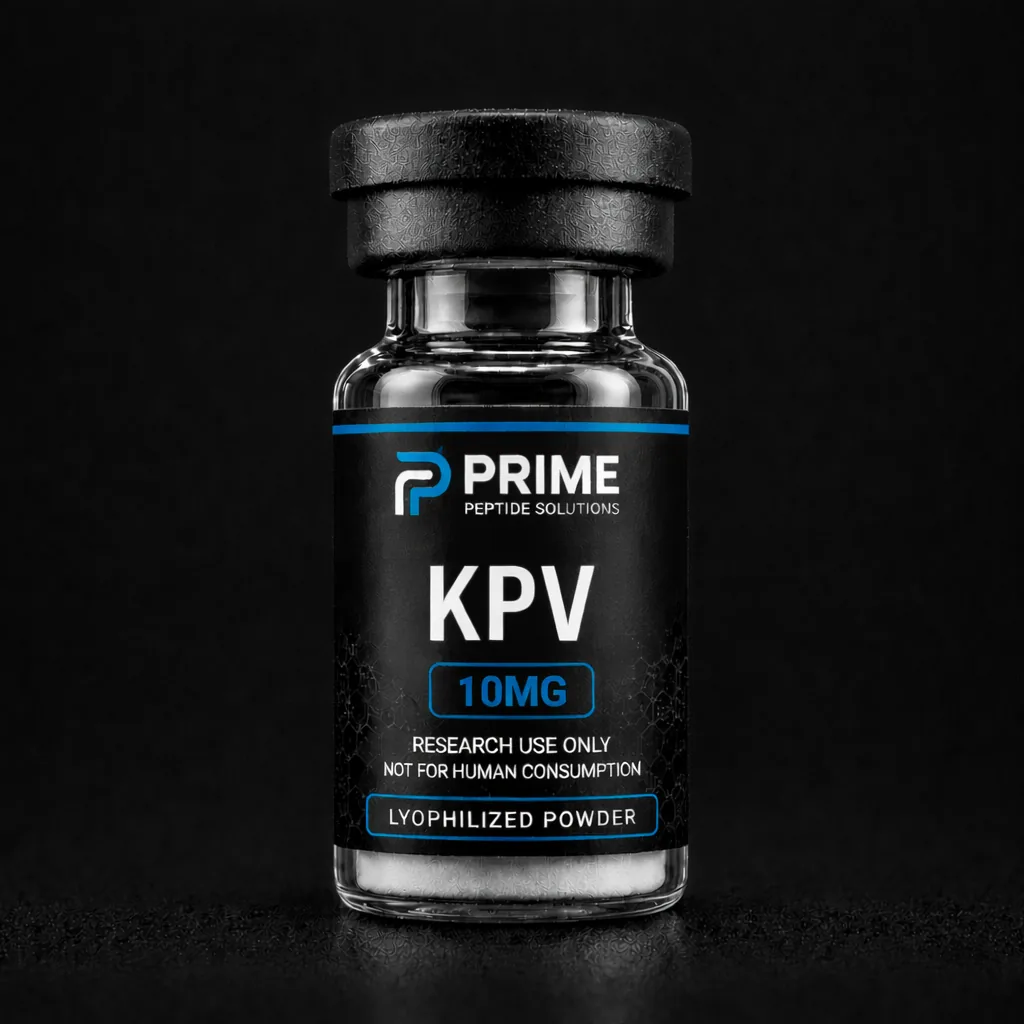
Repair and recovery research peptides are the compounds most often studied in models of tissue injury, wound closure and inflammation. BPC-157 is a 15-amino-acid fragment of a gastric protein investigated for its association with angiogenesis and growth-factor signalling in tendon, ligament and gut-lining models. TB-500 is a synthetic fragment of thymosin beta-4, studied for its interaction with actin and cell migration. GHK-Cu, a copper-binding tripeptide, is examined in dermal and extracellular-matrix research, and KPV, a three-residue fragment of alpha-MSH, is studied for its effect on inflammatory signalling in mucosal tissue. The Wolverine bundle pairs BPC-157 and TB-500 for laboratories that examine the two together.
Each vial is lyophilized and sealed; every batch is third-party tested, with results in the COA library. Product pages carry sequence and storage notes, and our research hub and comparison pages (for example BPC-157 vs TB-500 and GHK-Cu vs BPC-157) summarise what the published literature says about each compound's proposed mechanism.
Everything in this section is supplied strictly for in-vitro and laboratory research. No product here is intended for human or animal use, and no dosing information is provided.
BPC-157 is a 15-amino-acid gastric peptide fragment studied for angiogenesis and growth-factor signalling; TB-500 is a fragment of thymosin beta-4 studied for actin binding and cell migration. They are examined together so often that we offer them as the Wolverine bundle; see the BPC-157 vs TB-500 comparison for detail.
Keep lyophilized vials cool, dry and out of light. A 2-8 °C refrigerator or a -20 °C freezer is standard for longer storage. Once reconstituted with bacteriostatic water, keep the solution refrigerated.
Yes. Every batch is third-party tested before it is listed, and the lab results are published in our COA library.
Research use only. Products in this category are sold for laboratory research and are not for human or animal use. See the COA library for lab results and Compare for side-by-side research notes.
You must be 21 years or older to enter this site.
All products are for laboratory research use only. Not for human consumption.
By entering this site, you confirm that you are of legal age in your jurisdiction, that these products will be used for laboratory research purposes only, and that you have read and agree to our Terms & Conditions, Shipping Policy, Refund Policy and Privacy Policy.