
BPC-157 vs TB-500
BPC-157 and TB-500 (also called Thymosin Beta-4) are two of the most-studied peptides in tissue and healing research. They share research focus on cell migration, tissue remodeling, and wound-related pathways but operate through distinct mechanisms. They're often discussed together in research protocols, and a meaningful percentage of published research investigates them as a stack.
| Property | BPC-157 | TB-500 |
|---|---|---|
| Full name | Body Protection Compound-157 | Thymosin Beta-4 fragment |
| Origin | Derived from gastric protein | Naturally occurring in most cells |
| Primary research focus | GI tract, tendon, ligament | Systemic tissue, cardiac, neural |
| Mechanism (research) | Angiogenesis, growth factor expression | Actin sequestration, cell migration |
| Distribution | Often local-acting in studies | More systemic distribution |
About BPC-157
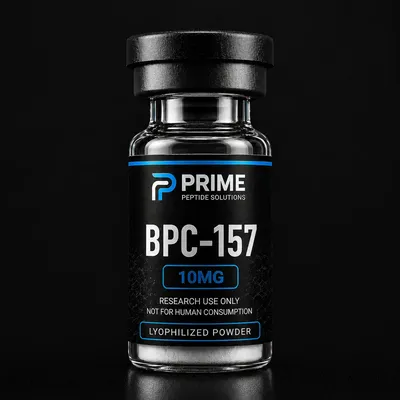
BPC-157 is a synthetic pentadecapeptide derived from a partial sequence of a body protection compound found in gastric juice. In published research, it has been investigated for effects on tendon, ligament, muscle, and gastrointestinal tract healing in animal models. The research literature suggests mechanisms involving angiogenesis, growth factor expression, and nitric oxide pathways.
About TB-500 (Thymosin Beta-4)
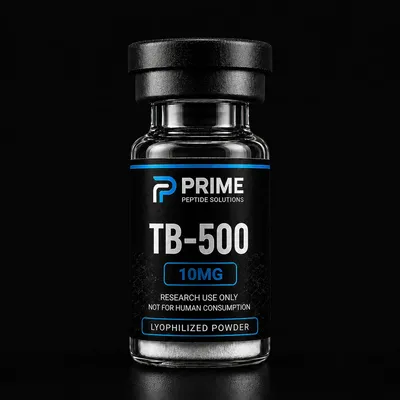
TB-500 is a synthetic version of a 17-23 amino acid active fragment of Thymosin Beta-4, a naturally occurring peptide found in nearly all human and animal cells. Research focus has centered on cell migration, particularly in cardiac, neural, and dermal tissue studies. TB-500 has been characterized for its ability to bind and sequester G-actin, which is hypothesized to support cellular migration in research models.
Which Should Researchers Choose?
The choice depends on the research focus:
- GI tract, tendon, or ligament research -> BPC-157.
- Systemic or cardiac tissue research -> TB-500.
- Multi-mechanism healing research -> Many research protocols use both, capitalizing on the distinct mechanisms.
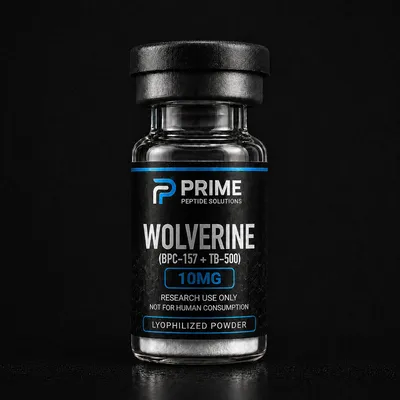
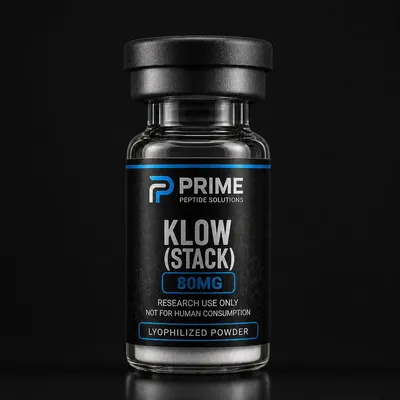
Both are also stocked together as Wolverine (BPC-157 + TB-500), one pre-mixed vial, and with KPV and GHK-Cu in the KLOW stack.
Frequently Asked Questions
Are BPC-157 and TB-500 the same thing?
No. They are distinct compounds with different sequences, origins, and mechanisms.
Why are they often stacked in research?
The mechanisms are complementary rather than overlapping.
Are these FDA approved?
No. Both are research peptides not approved for human consumption.
Shop these products
- Ships the same business day
- Free US shipping on $199+
- 14-day money-back guarantee