
BPC-157 vs GHK-Cu
BPC-157 and GHK-Cu are both heavily researched in tissue and wound-related literature, but they represent very different compound classes operating through distinct mechanisms. BPC-157 is a synthetic pentadecapeptide derived from gastric protein; GHK-Cu is a naturally occurring copper tripeptide complex. They are frequently considered together in regenerative research protocols.
| Property | BPC-157 | GHK-Cu |
|---|---|---|
| Compound type | 15-amino acid synthetic peptide | Tripeptide-copper complex |
| Origin | Derived from gastric protein | Naturally occurring in plasma |
| Primary research focus | GI tract, tendon, ligament | Skin, dermal, regenerative |
| Mechanism (research) | Angiogenesis, growth factor | Copper delivery, gene expression |
| Common research route | Subcutaneous, oral | Topical, subcutaneous |
About BPC-157
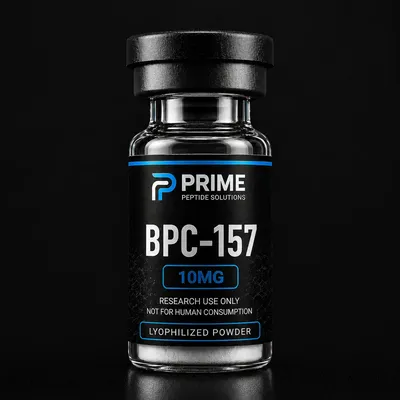
BPC-157 is a synthetic pentadecapeptide derived from a partial sequence of a body protection compound found in gastric juice. Research has characterized it for effects on tendon, ligament, muscle, and gastrointestinal tract healing in animal models. Mechanisms investigated include angiogenesis, growth factor expression, and nitric oxide pathways.
About GHK-Cu
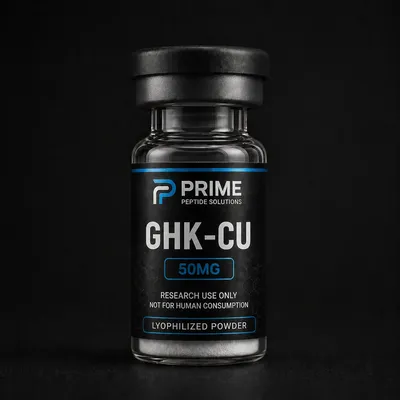
GHK-Cu (glycyl-L-histidyl-L-lysine copper complex) is a naturally occurring tripeptide that binds copper ions with high affinity. Research has characterized it for effects on skin remodeling, collagen synthesis, and gene expression modulation. It is one of the most studied copper peptide complexes in dermal research.
Which Should Researchers Choose?
The choice depends on the research focus:
- Internal tissue, tendon, GI research -> BPC-157.
- Skin, dermal, or copper-mediated research -> GHK-Cu.
- Broad regenerative research -> Both compounds are sometimes investigated in parallel.
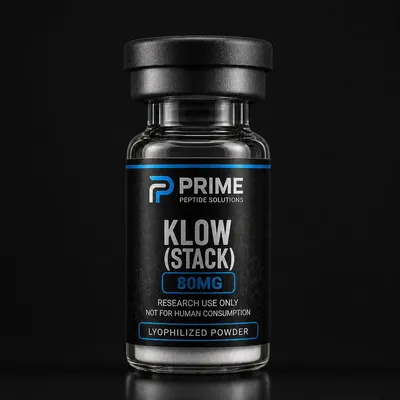
BPC-157 and GHK-Cu are also stocked together, with KPV and TB-500, in one pre-mixed vial: the KLOW stack.
Frequently Asked Questions
Can BPC-157 and GHK-Cu be researched together?
Yes. They target different tissues and mechanisms, so research protocols sometimes pair them.
Are they similar in mechanism?
No. BPC-157 acts on growth factor and angiogenesis pathways; GHK-Cu acts via copper delivery and gene expression.
Are these FDA approved?
No. Both are investigational research compounds not approved for human consumption.
Shop these products
- Ships the same business day
- Free US shipping on $199+
- 14-day money-back guarantee