
SS-31 vs MOTS-C
SS-31 and MOTS-C are both studied in mitochondrial and metabolic research, but they engage mitochondrial biology in different ways. SS-31 is characterized as a mitochondria-targeting peptide that associates with the inner membrane, while MOTS-C is a mitochondrial-derived peptide studied for its signaling role in metabolism. They are often discussed together in cellular energy research.
| Property | SS-31 | MOTS-C |
|---|---|---|
| Full name | Szeto-Schiller 31 (Elamipretide) | Mitochondrial ORF of the 12S rRNA type-c |
| Type | Mitochondria-targeting tetrapeptide | Mitochondrial-derived peptide |
| Primary research focus | Membrane integrity, bioenergetics | Metabolic signaling, energy homeostasis |
| Mechanism (research) | Cardiolipin binding | Metabolic pathway signaling |
| Localization | Inner mitochondrial membrane | Nucleus/cytoplasm signaling |
SS-31 (Elamipretide)
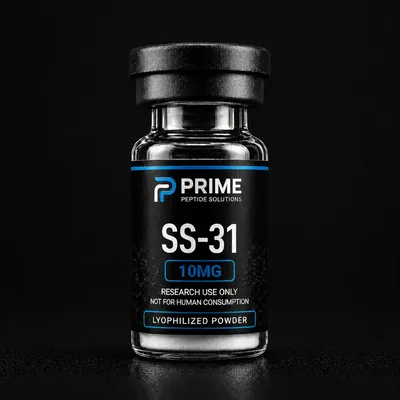
SS-31 is a tetrapeptide studied for its selective accumulation in mitochondria, where it associates with cardiolipin in the inner membrane. Research literature examines its role in preserving mitochondrial structure and bioenergetics. In our catalog it is listed as SS-31. See our SS-31 overview.
MOTS-C
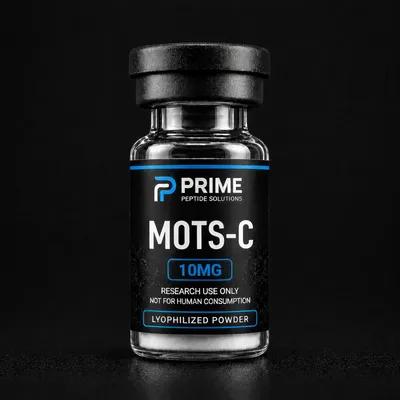
MOTS-C is a mitochondrial-derived peptide studied for its role in metabolic signaling and energy homeostasis. Unlike SS-31, which localizes to the mitochondrial membrane, MOTS-C is investigated as a signaling molecule affecting broader metabolic pathways. In our catalog it is listed as MOTS-C. See our MOTS-C overview.
How Researchers Distinguish Them
Both relate to mitochondria but at different levels: SS-31 acts structurally at the inner membrane, while MOTS-C acts as a metabolic signaling peptide. Research selecting between them depends on whether the focus is mitochondrial membrane integrity or metabolic signaling. They are sometimes studied together for a fuller picture of mitochondrial biology.
Frequently Asked Questions
Are SS-31 and MOTS-C the same?
No. Both relate to mitochondria but through distinct mechanisms and localizations.
Why compare them?
They represent two different approaches to mitochondrial research — structural versus signaling.
Are these FDA approved?
No. Both are research peptides sold strictly for in-vitro study and not approved for human consumption.
Shop these products
- Ships the same business day
- Free US shipping on $199+
- 14-day money-back guarantee