
5-Amino-1MQ vs MOTS-C vs SLU-PP-332
5-Amino-1MQ, MOTS-C, and SLU-PP-332 are three of the most-discussed compounds in modern metabolic research. They target completely different molecular targets - NNMT, AMPK, and ERR (estrogen-related receptor) respectively - but appear together in research focused on metabolic enhancement, adipose tissue, and exercise mimetics. This three-way comparison clarifies how they differ.
| Property | 5-Amino-1MQ | MOTS-C | SLU-PP-332 |
|---|---|---|---|
| Compound type | Small-molecule NNMT inhibitor | 16-aa mitochondrial peptide | Small-molecule ERR agonist |
| Primary target | NNMT enzyme | AMPK pathway | ERR alpha/beta/gamma receptors |
| Research focus | Adipose, NAD+ pathways | Mitochondrial, glucose | Exercise mimetic, fat oxidation |
| Origin | Synthetic methylquinolinium | Encoded in mitochondrial DNA | Synthetic ERR agonist |
| Stage of research | Active preclinical | Active preclinical | Emerging, fewer studies |
About 5-Amino-1MQ
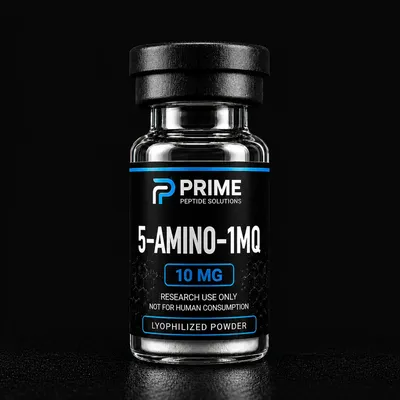
5-Amino-1-methylquinolinium is a small-molecule inhibitor of the enzyme nicotinamide N-methyltransferase (NNMT). NNMT is highly expressed in adipose tissue, and research has explored whether its inhibition affects NAD+ availability and adipocyte metabolism. Research has characterized 5-Amino-1MQ for effects on adipose mass and metabolic markers in animal models.
About MOTS-C and SLU-PP-332
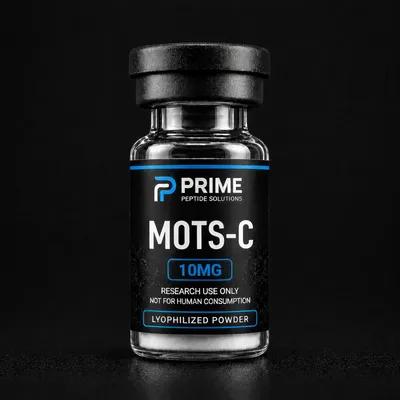
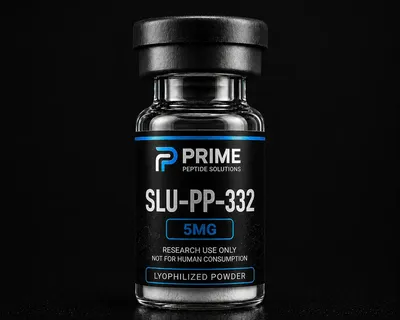
MOTS-C is a 16-amino acid peptide encoded within mitochondrial DNA, investigated primarily for AMPK pathway activation and glucose handling. SLU-PP-332 is a synthetic small-molecule agonist of the estrogen-related receptor (ERR) family, investigated as an exercise mimetic in animal models with research focused on fat oxidation and endurance. SLU-PP-332 is the newest of the three and has the least published research history.
Which Should Researchers Choose?
The choice depends on the molecular target of interest:
- NNMT inhibition or adipose tissue research -> 5-Amino-1MQ.
- AMPK or mitochondrial peptide research -> MOTS-C.
- Exercise-mimetic or ERR-receptor research -> SLU-PP-332.
These compounds are not interchangeable in research design - each targets a distinct pathway.
Frequently Asked Questions
Can these three be researched together?
Some research protocols investigate combinations since they target completely separate pathways.
Which has the most research history?
MOTS-C and 5-Amino-1MQ both have established preclinical research; SLU-PP-332 is more recent and has less published characterization.
Are these FDA approved?
No. All three are investigational research compounds not approved for human consumption.
Shop these products
- Ships the same business day
- Free US shipping on $199+
- 14-day money-back guarantee