
Glutathione vs NAC (N-Acetylcysteine)
Glutathione and NAC (N-Acetylcysteine) are both extensively researched in antioxidant and detoxification literature, but they represent different molecules with a precursor-product relationship. NAC is a precursor that the body uses to synthesize glutathione; glutathione is the active intracellular antioxidant. The choice between them in research often comes down to bioavailability and the mechanism of interest.
| Property | Glutathione | NAC |
|---|---|---|
| Compound type | Tripeptide (Glu-Cys-Gly) | Modified amino acid |
| Role | Active intracellular antioxidant | Cysteine precursor for GSH |
| Bioavailability (research) | Limited oral, better parenteral | Good oral bioavailability |
| Primary research focus | Oxidative stress, detox pathways | Mucolytic, acetaminophen-toxicity research |
| Mechanism (research) | Direct ROS neutralization | Replenishes intracellular GSH |
About Glutathione
Glutathione (GSH) is a tripeptide composed of glutamate, cysteine, and glycine. It is the most abundant intracellular antioxidant in mammalian cells. Research has characterized its role in neutralizing reactive oxygen species, supporting hepatic detoxification pathways via glutathione conjugation, and maintaining cellular redox balance. Oral bioavailability is limited in research models due to gastrointestinal degradation.
About NAC (N-Acetylcysteine)
N-Acetylcysteine (NAC) is a modified form of the amino acid cysteine, where an acetyl group has been added to improve stability. Research has characterized it primarily as a glutathione precursor - the body uses NAC to synthesize cysteine which then forms glutathione. NAC has long clinical research history particularly in acetaminophen-toxicity protocols and mucolytic research.
Which Should Researchers Choose?
The choice depends on the research focus:
- Direct glutathione replenishment research -> Glutathione (parenteral routes for bioavailability).
- Oral protocols, mucolytic research -> NAC.
- Long-term GSH support research -> NAC is often preferred for its oral bioavailability as a precursor.
Frequently Asked Questions
Is NAC just a precursor to glutathione?
NAC supplies cysteine which is the rate-limiting amino acid for glutathione synthesis, but it has independent research history beyond just GSH replenishment.
Why use one over the other?
Glutathione is the active molecule but has poor oral bioavailability. NAC has better oral absorption but requires the body to synthesize glutathione from it.
Are these FDA approved?
NAC has clinical approval for specific indications including acetaminophen toxicity. Glutathione is sold as a supplement but is not approved as a treatment for any specific condition.
Shop Glutathione
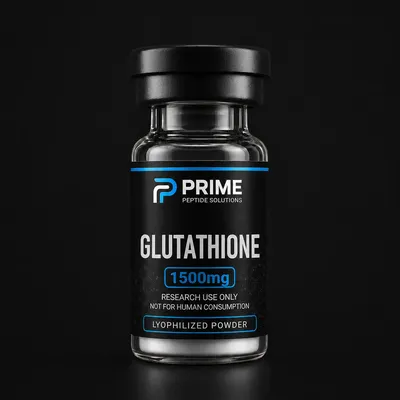
- Ships the same business day
- Free US shipping on $199+
- 14-day money-back guarantee