
KPV vs BPC-157
KPV and BPC-157 are two peptides frequently studied in gastrointestinal and inflammation research. Both are investigated for activity in the gut, but they operate through distinct mechanisms — KPV as an anti-inflammatory fragment of alpha-MSH, and BPC-157 through pathways associated with tissue repair and angiogenesis. They are sometimes discussed together in gut-research protocols.
| Property | KPV | BPC-157 |
|---|---|---|
| Full name | Lys-Pro-Val (alpha-MSH fragment) | Body Protection Compound-157 |
| Origin | C-terminal fragment of alpha-MSH | Derived from gastric protein |
| Primary research focus | Inflammatory signaling, gut mucosa | GI tract, tendon, ligament |
| Mechanism (research) | Anti-inflammatory pathway modulation | Angiogenesis, growth factor expression |
| Peptide length | Tripeptide (3 aa) | Pentadecapeptide (15 aa) |
KPV
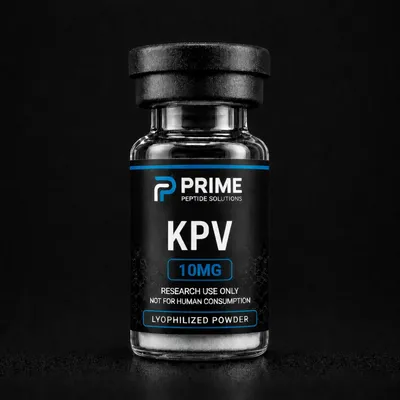
KPV is a tripeptide fragment of alpha-MSH studied for anti-inflammatory activity, particularly in gastrointestinal and mucosal research contexts. Research literature associates it with reduced pro-inflammatory signaling in cellular models. In our catalog it is listed as KPV. For more detail, see our KPV overview.
BPC-157
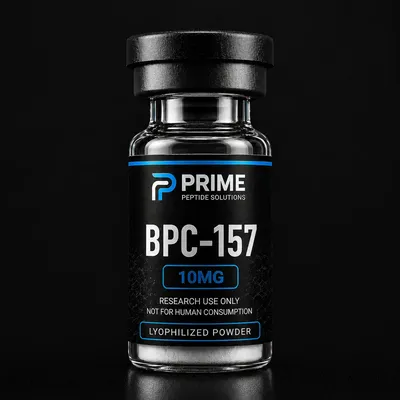
BPC-157 is a 15-amino-acid peptide derived from a gastric protein, studied extensively for tissue-repair-associated pathways including angiogenesis and growth factor expression, with particular research focus on the GI tract, tendons, and ligaments. In our catalog it is listed as BPC-157. For more detail, see our BPC-157 overview.
How Researchers Distinguish Them
The two are studied for different primary mechanisms: KPV for anti-inflammatory signaling, BPC-157 for tissue-repair pathways. Research selecting between them typically depends on whether the study focuses on inflammation modulation or on repair and angiogenesis. Because their mechanisms are complementary rather than overlapping, they are sometimes examined together in gut-research contexts.
Frequently Asked Questions
Are KPV and BPC-157 the same?
No. They are distinct compounds with different sequences, origins, and proposed mechanisms.
Why are they studied together?
Their mechanisms — anti-inflammatory versus tissue-repair — are complementary in gut research.
Are these FDA approved?
No. Both are research peptides sold strictly for in-vitro study and not approved for human consumption.
Shop these products
- Ships the same business day
- Free US shipping on $199+
- 14-day money-back guarantee