
NAD+ vs Glutathione
NAD+ and Glutathione are two of the most studied molecules in cellular research, but they operate in entirely different domains. NAD+ is a coenzyme central to redox reactions and energy metabolism; Glutathione is a tripeptide antioxidant that functions in detoxification and free radical scavenging. Both are commonly considered together in research focused on longevity, oxidative stress, and cellular function.
| Property | NAD+ | Glutathione |
|---|---|---|
| Compound type | Dinucleotide coenzyme | Tripeptide antioxidant |
| Components | Adenine + nicotinamide + ribose + phosphates | Glutamate + cysteine + glycine |
| Primary function (research) | Redox cofactor, energy metabolism | Antioxidant, detoxification |
| Cellular role | Electron carrier in ETC and metabolism | Reactive oxygen species neutralization |
| Research focus | Sirtuin activity, mitochondrial function | Oxidative stress, liver detox pathways |
About NAD+
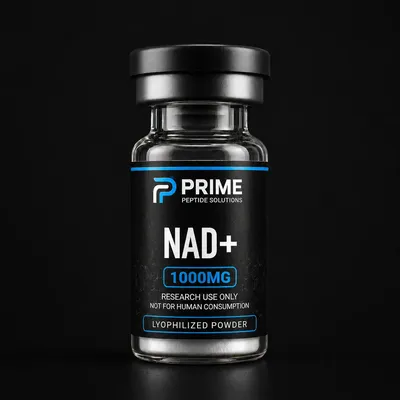
Nicotinamide adenine dinucleotide (NAD+) is a coenzyme found in all living cells. Research has characterized it as essential to redox reactions, cellular energy production, and as a substrate for sirtuin enzymes and PARP. Declining NAD+ levels are an active area of longevity and cellular research, with multiple investigational pathways exploring its restoration in research models.
About Glutathione
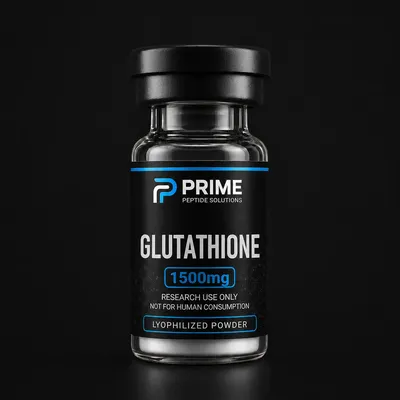
Glutathione (GSH) is a tripeptide of glutamate, cysteine, and glycine. It is the most abundant intracellular antioxidant in mammalian cells. Research has characterized its role in neutralizing reactive oxygen species, supporting hepatic detoxification pathways via glutathione conjugation, and maintaining the cellular redox balance.
Which Should Researchers Choose?
The choice depends on the research focus:
- Mitochondrial function or sirtuin research -> NAD+.
- Oxidative stress or detoxification research -> Glutathione.
- Cellular health research broadly -> Both are often studied in parallel as they operate in complementary pathways.
Frequently Asked Questions
Are NAD+ and Glutathione related?
They are both essential cellular molecules but with completely different chemical structures and functions.
Can they be researched together?
Yes. Many cellular health research protocols include both since they target distinct pathways.
Are these FDA approved?
Both are naturally occurring molecules. Neither is approved as a treatment for any specific condition.
Shop these products
- Ships the same business day
- Free US shipping on $199+
- 14-day money-back guarantee